 blog
Aftermarket vs OEM Key Fob: Cost, Compatibility & Reliability
Last Updated: October 23, 2026
Quick Summary
Aftermarket vs oem key fob comes down to cost and compatibility. OEM fobs cost more but guarantee compatibility and warranty coverage, while quality aftermarket fobs work reliably for most vehicles at lower prices if you verify compatibility upfront. Your choice depends on your vehicle type, budget, and whether you need professional programming.
- OEM fobs are made by your car's manufacturer and carry their branding, while aftermarket fobs are produced by third-party companies designed to work with your vehicle
- Aftermarket fobs typically cost less upfront, but total cost includes potential professional programming fees and the risk of buying an incompatible model
- Modern vehicles use rolling code encryption that aftermarket fobs must replicate exactly to work, making compatibility verification critical before purchase
- Professional locksmiths offer a middle ground between dealerships and auto parts retailers, providing expertise, mobile service, and transparent pricing
- Both OEM and quality aftermarket fobs fail at similar rates when properly programmed, with real-world reliability depending more on proper care than the fob type
Table of Contents
- Aftermarket vs OEM Key Fob: What Sets Them Apart
- Aftermarket Car Key Fob Compatibility: Will It Work With Your Vehicle
- Aftermarket Key Fob Programming: How It Works and What You Need to Know
- OEM Key Fob Replacement Cost vs Aftermarket Pricing
- Dealer vs Locksmith Key Fob Replacement: Where to Buy and Why
- Reliability and Warranty: What You Actually Get
- Making Your Choice: Which Option Is Right for You
- Frequently Asked Questions
Aftermarket vs OEM Key Fob: What Sets Them Apart
When your car key fob stops working, you face a choice in the aftermarket vs oem key fob debate, or spend more at the dealership. At Anytime Unlock and George's Key Shop, we help vehicle owners understand the real differences between these options so you can make the right call for your situation.
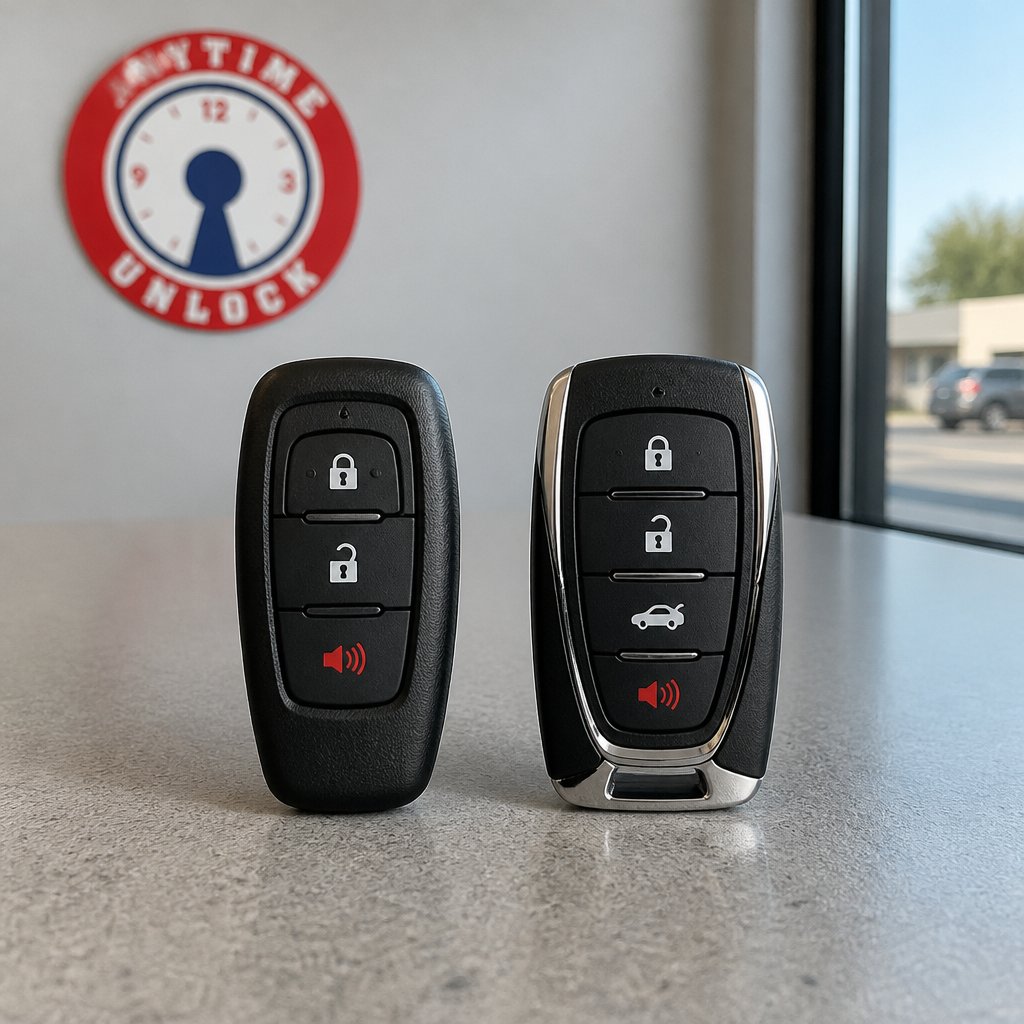
The core distinction is straightforward. An OEM (Original Equipment Manufacturer) key fob is made by your car's manufacturer and carries their branding. An aftermarket key fob is produced by a third-party company and designed to work with your vehicle. Both can unlock and start your car, but the path to getting there, and what you pay, differs significantly.
Many vehicle owners assume the dealership is the only reliable source. That assumption often costs them money. The truth is more nuanced. Aftermarket fobs work well for most drivers, but compatibility and programming matter far more than the label on the box.
Aftermarket Car Key Fob Compatibility: Will It Work With Your Vehicle
An aftermarket key fob will work with your vehicle if it's designed for your specific make, model, and year. Not all aftermarket fobs are created equal, though. Some are universal shells that need programming to match your car's system. Others come pre-programmed for your vehicle type.
The compatibility question breaks down into two parts: physical fit and electronic pairing. The fob needs to fit your hand comfortably and have buttons in familiar positions, this is the easy part. More critical is whether the fob's internal circuitry matches your car's receiver frequency and security protocol.
Here's where it gets practical. Modern vehicles use rolling code encryption, a security feature that changes the signal every time you press a button. Your car's receiver recognizes this pattern. An aftermarket fob must replicate this exact protocol. If it doesn't, the fob won't work, period.
The best way to verify compatibility is checking the product listing against your vehicle's year, make, and model. Reputable aftermarket fob sellers list this clearly. If you're uncertain, professional locksmith key fob programming can verify compatibility and handle the setup. Many locksmiths test compatibility before you commit to the purchase, saving you from buying the wrong fob.
Aftermarket Key Fob Programming: How It Works and What You Need to Know
Programming an aftermarket key fob involves syncing it to your car's receiver system. The process varies depending on your vehicle and the fob type.
Some aftermarket fobs come pre-programmed for your vehicle. You unbox it, press a button, and it works. These are the easiest option but also the most limited in selection. Other fobs require manual programming, which takes 5-15 minutes and follows your car's specific procedure.
Many vehicles allow owner programming without special tools. Your car's manual usually includes the steps: insert the key, turn the ignition to specific positions, listen for clicks or watch for light flashes, then press buttons on the fob. Some cars use a different method, holding the key fob near the door lock and pressing buttons in sequence. It sounds simple because it often is.
The catch: not every vehicle supports DIY programming. Luxury brands and newer models frequently require professional programming with specialized equipment. Attempting it yourself on a system that doesn't allow it wastes time and can lock you out of future programming attempts.
Program key fob: DIY steps & when to call a pro covers the step-by-step process for common vehicles. If your car isn't listed or the process feels unclear, professional programming ensures the job is done correctly on the first attempt.
OEM Key Fob Replacement Cost vs Aftermarket Pricing
The price difference between aftermarket and OEM key fobs is substantial. OEM fobs cost significantly more because they carry the manufacturer's name, warranty, and the assumption of guaranteed compatibility.
Aftermarket fobs typically cost less upfront. You'll find them at auto parts stores, online retailers, and locksmiths. The lower price reflects the third-party manufacturing and simpler packaging. You're paying for function, not branding.
However, total cost includes more than the fob itself. If you need professional programming, that adds a service fee. If you buy the wrong aftermarket fob and have to replace it, that's extra expense. OEM fobs often include programming in the dealership's service fee, though this varies by location and dealer.
The real financial decision depends on your situation. A vehicle owner with a common make and model can save significantly with an aftermarket fob. Someone driving a specialty vehicle or luxury car might find limited aftermarket options, making OEM the practical choice despite the higher cost.
For current pricing and to understand what you'll actually spend, affordable alternatives to dealer key programming breaks down the cost comparison across different purchase channels.
Dealer vs Locksmith Key Fob Replacement: Where to Buy and Why
Three main channels sell key fobs: dealerships, auto parts retailers, and locksmiths. Each has trade-offs worth considering.
Dealerships guarantee compatibility because they're selling OEM fobs for your exact vehicle. They handle programming as part of the service. The downside is cost and convenience. You schedule an appointment, drive to the dealership, wait, and pay premium pricing. Many dealerships charge for diagnostics before ordering a fob, adding to the total.
Auto parts retailers stock both OEM and aftermarket fobs. You can walk in, buy immediately, and leave. The challenge is verifying you're buying the right fob for your vehicle. Staff knowledge varies widely. Programming is your responsibility unless you pay for in-store service, which many locations now offer.
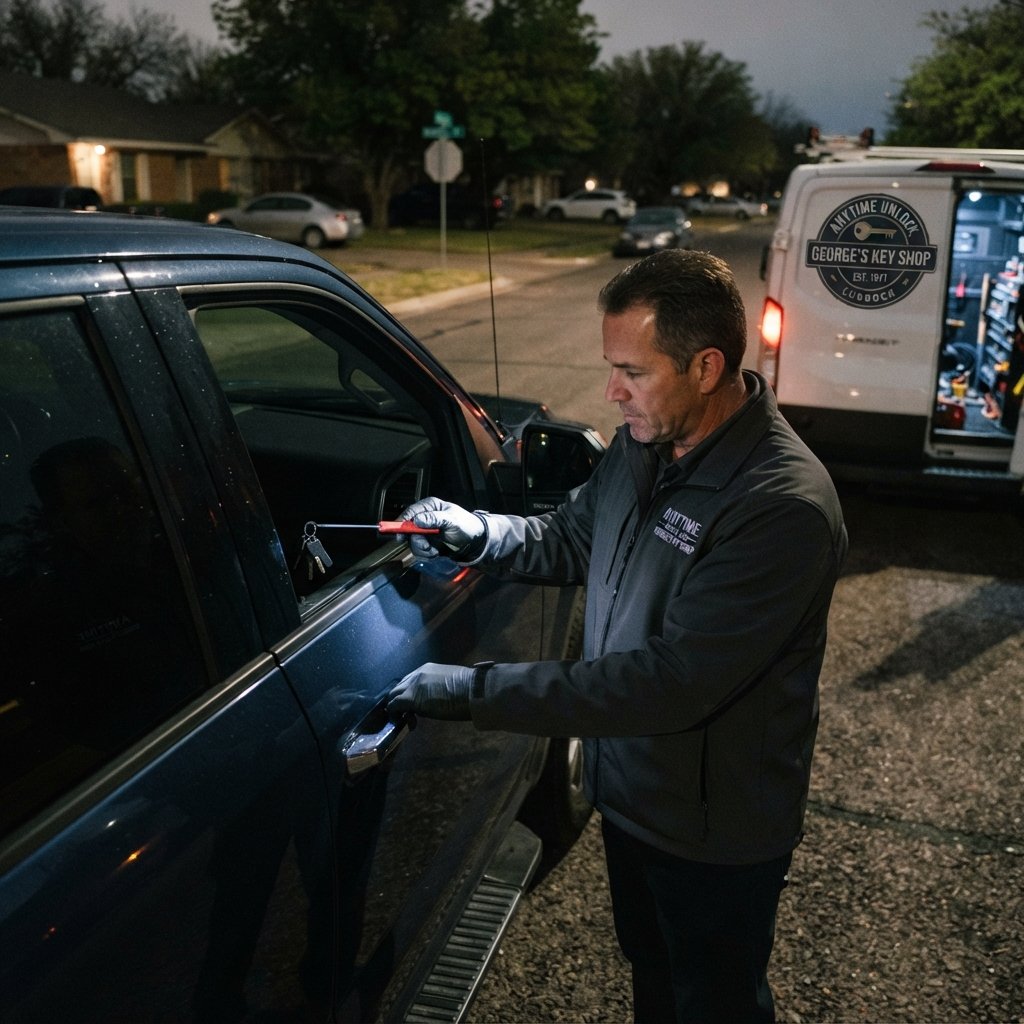
Locksmiths offer a middle ground. They stock common aftermarket fobs and have programming equipment for most vehicles. Many locksmiths provide mobile service, coming to your location. They typically cost less than dealerships and more than big-box retailers, but the personalized service and expertise often justify the price.
How to replace lost car keys: 2026 step-by-step guide walks through the full replacement process across all three channels so you understand what each involves.
Reliability and Warranty: What You Actually Get
OEM fobs come with the manufacturer's warranty, typically covering defects for a set period. If the fob fails within that window, the dealership replaces it at no cost. This peace of mind appeals to many drivers.
Aftermarket fobs vary widely in warranty coverage. Budget fobs might have a 30-day return window only. Mid-range aftermarket fobs often include a one-year warranty against manufacturing defects. Premium aftermarket brands sometimes match OEM warranty lengths.
Real-world reliability data shows both types fail at similar rates when properly programmed and used. A quality aftermarket fob functions as reliably as an OEM fob. The difference emerges if something goes wrong. With OEM, you have a clear path to replacement. With aftermarket, you're dealing with the retailer's return policy and the manufacturer's warranty terms, which can be harder to navigate.
Durability also depends on usage. Key fobs in heavy use, dropped frequently, exposed to moisture, or subject to extreme temperatures, fail faster regardless of type. Proper care extends the life of either option. Keep the fob dry, avoid dropping it, and replace the battery every few years.
Making Your Choice: Which Option Is Right for You
The decision between aftermarket and OEM comes down to three factors: cost tolerance, vehicle type, and urgency.
Choose OEM if: You drive a luxury vehicle, a newer model with complex electronics, or you prioritize warranty coverage and guaranteed compatibility. You're willing to pay more for peace of mind and don't mind visiting a dealership.
Choose aftermarket if: You drive a common vehicle, you want to minimize cost, and you're comfortable verifying compatibility before purchasing. You have time to research the right fob for your specific car.
Choose professional installation if: Your vehicle doesn't support owner programming, you're unsure about compatibility, or you want the job done correctly the first time. This is where locksmiths add real value, they eliminate guesswork.
The oldest locksmith company in Lubbock, Anytime Unlock and George's Key Shop has helped vehicle owners navigate this exact choice. Our team can assess your vehicle, recommend the right fob type, and handle programming so you don't have to.
Your next step depends on your situation. If you've already lost your key fob and need a replacement today, professional locksmith key fob programming explains what to expect. If you want to compare all your options before deciding, that same resource breaks down dealership versus locksmith pricing and service timelines.
The choice between aftermarket and OEM key fobs isn't about picking the objectively "better" option, it's about matching the solution to your vehicle, budget, and priorities. Most drivers find that a quality aftermarket fob from a reputable source works perfectly and saves money. Others prefer the assurance of OEM parts. Both paths work.
| Option | Best For | Key Advantage | Main Trade-off |
|---|---|---|---|
| OEM Key Fob | Luxury/newer vehicles | Guaranteed compatibility | Higher cost |
| Aftermarket Fob | Common vehicles | Lower cost | Verify compatibility first |
| Professional Programming | Any vehicle | Expert installation | Service fee added |
| DIY Programming | Compatible vehicles | No service cost | Requires manual effort |
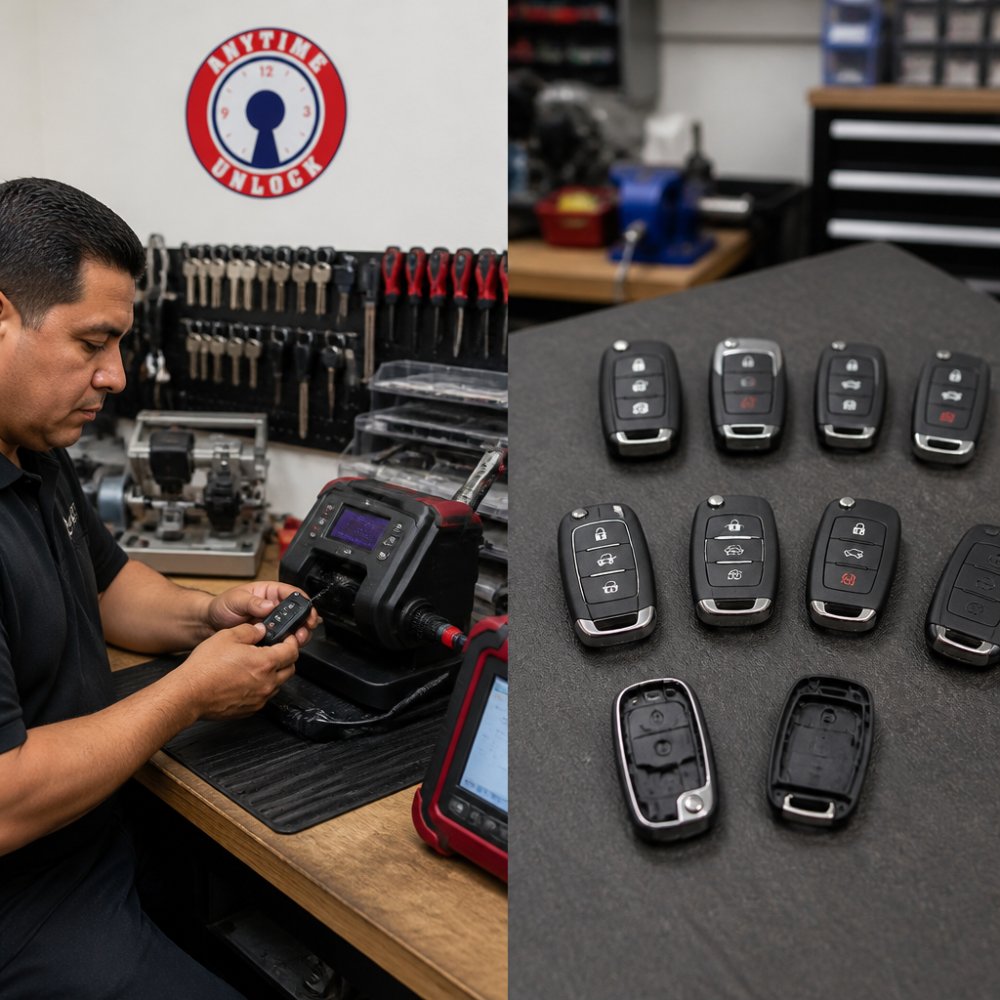
Research from Consumer Reports automotive guides confirms that aftermarket key fobs from established manufacturers perform reliably when matched to the correct vehicle. The Better Business Bureau automotive services guide recommends verifying seller credentials before purchasing to ensure you're getting a quality product with proper warranty support.
Frequently Asked Questions
What is the main difference between an aftermarket and an OEM key fob?
OEM key fobs are made by the vehicle manufacturer and are guaranteed to work with your specific car model. Aftermarket key fobs are made by third-party manufacturers and may offer similar functionality at a lower price, but compatibility varies. OEM fobs typically come with manufacturer backing, while aftermarket options depend on the brand's reputation and your vehicle's compatibility.
Can a locksmith program an aftermarket key fob for my vehicle?
Yes, a professional locksmith can program many aftermarket key fobs, provided they're compatible with your vehicle. The programming process varies by car make and model. A locksmith with experience in key fob programming can determine if your aftermarket fob will work and handle the setup. This is often faster and less expensive than going through a dealership.
Will an aftermarket key fob work with my car?
It depends on your vehicle's year, make, and model. Some aftermarket fobs are designed for broad compatibility across multiple vehicle lines, while others are model-specific. Before purchasing, verify the fob's compatibility with your exact vehicle specifications. A locksmith can help confirm whether a specific aftermarket fob will function properly with your car's security system.
Is it better to buy a key fob from a dealer or a locksmith?
A dealer guarantees OEM compatibility and manufacturer warranty but charges more. A locksmith typically offers lower prices and can source both OEM and quality aftermarket options, with professional programming included. The best choice depends on your budget, timeline, and whether you want guaranteed OEM quality or a cost-effective alternative. Many vehicle owners find locksmiths offer better value without sacrificing reliability.