 listicle
Best Deadbolt for Front Door Security: Top Picks Compared
Quick Summary
A keyed single-cylinder deadbolt remains the default choice for front door security because it needs no battery, app, or firmware. Choose an ANSI/BHMA Grade 1 or Grade 2 lock, then reinforce the strike plate and jamb, since frame failures are more common than lock failures.
- Grade 1 is tested for more operating cycles, torque, and impact than Grade 2 or Grade 3.
- Use 3-inch strike screws that reach the wall framing behind the jamb.
- Confirm door thickness and backset before ordering any deadbolt.
- Smart locks are only as secure as their app account, battery, and backup key.
- Keep a physical key somewhere safe even with a smart deadbolt.
Table of Contents
- How We Chose These Front Door Deadbolts
- Quick Comparison: Top Deadbolts at a Glance
- Best Deadbolt for Front Door Security With Key
- Best Smart Deadbolt Locks for Front Door Use
- Schlage vs. Kwikset Deadbolt Security: What the Difference Actually Is
- Best Door Locks to Prevent Break-Ins: Fit, Frame, and Installation
- Book a Deadbolt Upgrade or Rekey With Anytime Unlock and George's Key Shop
- Frequently Asked Questions
How We Chose These Front Door Deadbolts
Choosing a deadbolt for a front door is not like picking a faucet. The lock is the last line of defense between a burglar and your living room, and most people buy one without knowing what the ratings mean. We set out to change that with a clear method for front door security.
Choosing a deadbolt involves three things: the ANSI/BHMA grade published by the American National Standards Institute and the Builders Hardware Manufacturers Association, the type of entry (keyed, keypad, or smart), and how well each lock suits a typical exterior door. For a broader look at residential door locks and security grades, compare the options before you decide.
A strong deadbolt on a weak frame can still fail, so strike plates, screw length, and door thickness also matter. ANSI/BHMA A156.5 deadbolt standard
Quick Comparison: Top Deadbolts at a Glance
| Deadbolt | Type | Pricing | Best For |
|---|---|---|---|
| Schlage B60 | Keyed single-cylinder | Not verified | Conventional front doors |
| Schlage B660 | Commercial-grade keyed | Not verified | Heavier-duty residential use |
| Schlage Primus | High-security keyed | Not verified | Maximum key control |
| ABLOY Protec2 | High-security keyed | Not verified | Specialist high-security installs |
| Schlage Arrive | Smart Wi-Fi | Not verified | Smart-lock controls |
| Schlage Camelot | Keypad | Not verified | Keyless everyday entry |
| Kwikset 660 SmartKey | Keyed single-cylinder | Not verified | Budget-minded buyers |
Pricing is not confirmed for any of these locks, so check current retailer listings before you buy.
Best Deadbolt for Front Door Security With Key
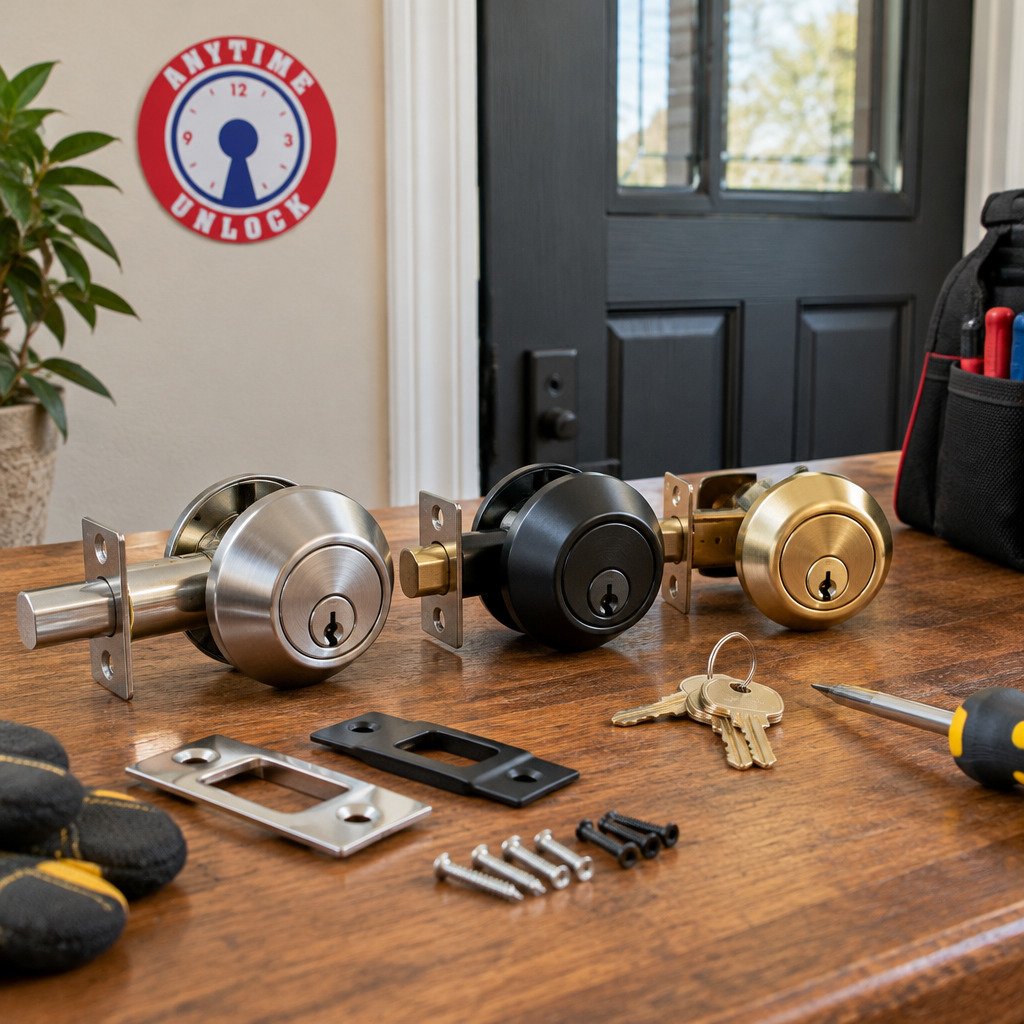
A keyed single-cylinder deadbolt, a thumb-turn on the inside, a key cylinder on the outside, remains the default front-door choice because it has no battery, no app, and no firmware. The variables that actually separate one keyed deadbolt from another are the ANSI/BHMA grade, the bolt and cylinder construction, the keyway, and how the lock interfaces with your strike and frame. ANSI/BHMA A156.5 deadbolt standard
What the Grades Mean in Practice
ANSI/BHMA A156.5 grades residential and light-commercial deadbolts on three tiers. Grade 1 is the highest and is tested for a higher number of operating cycles, greater torque resistance, and stronger impact and strike-load performance than Grade 2 or Grade 3. Grade 2 is the common residential step-up; Grade 3 is builder-grade. For a front door, most locksmiths treat Grade 1 or Grade 2 as the floor, not the ceiling, the grade tells you the lock passed a standardized test, not that your specific door and frame will hold up to a kick.
Schlage B60 and B660
The Schlage B60 is a single-cylinder deadbolt. It is a common choice for a conventional front door. The B660 is a heavier-duty sibling model intended for higher-traffic residential and light-commercial doors. If your door is solid core or reinforced and you want a lock you will not think about again, the B660 is the upgrade; if you are replacing a builder-grade lock on a standard entry door, the B60 is the practical pick.
High-Security Keyed: Schlage Primus and ABLOY Protec2
Restricted-keyway locks are the answer when key control matters, rentals, shared households, or any door where you do not want a duplicate made without your authorization. Restricted-keyway locks are one option when key control matters. Pricing and installation requirements vary by model; check with a locksmith or retailer for current details.
Kwikset 660 SmartKey as the Budget Keyed Option
The Kwikset 660 SmartKey is a single-cylinder deadbolt. Compare its specifications against your security needs before choosing it for a primary entry.
How to Choose Between Them
- Standard front door, want Grade 1 without commercial pricing: Schlage B60.
- Heavy or reinforced door, high traffic, want maximum cycle life: Schlage B660.
- Key control is the priority (rental, shared home, sensitive entry): Schlage Primus or ABLOY Protec2, installed by a locksmith.
- Budget lock for a secondary door or quick rekey: Kwikset 660 SmartKey.
Whichever you pick, the lock is only as good as the strike and frame it lands in, see the fit and installation section below before you order.
Best Smart Deadbolt Locks for Front Door Use
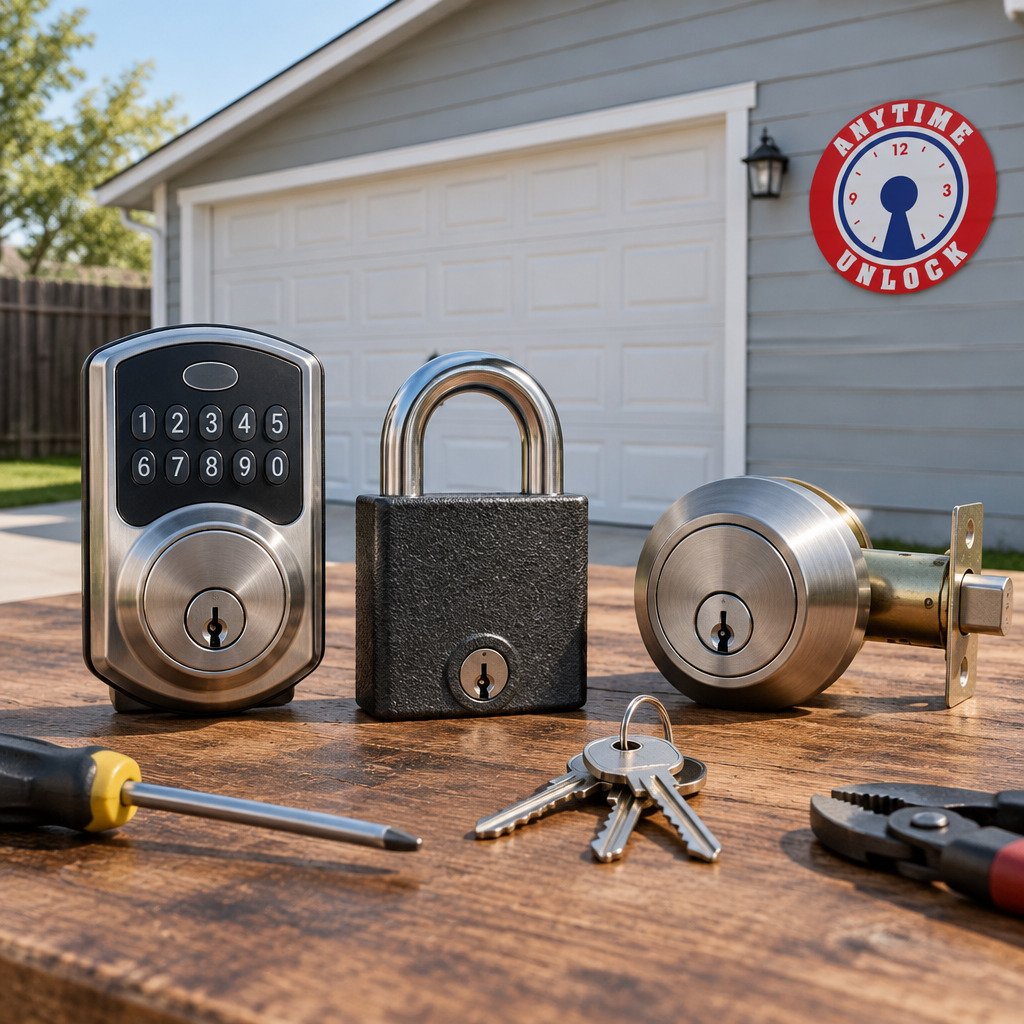
Smart deadbolts add keyless entry and remote control. Smart deadbolts add keyless entry and remote control, and keypad models offer keyless everyday access.
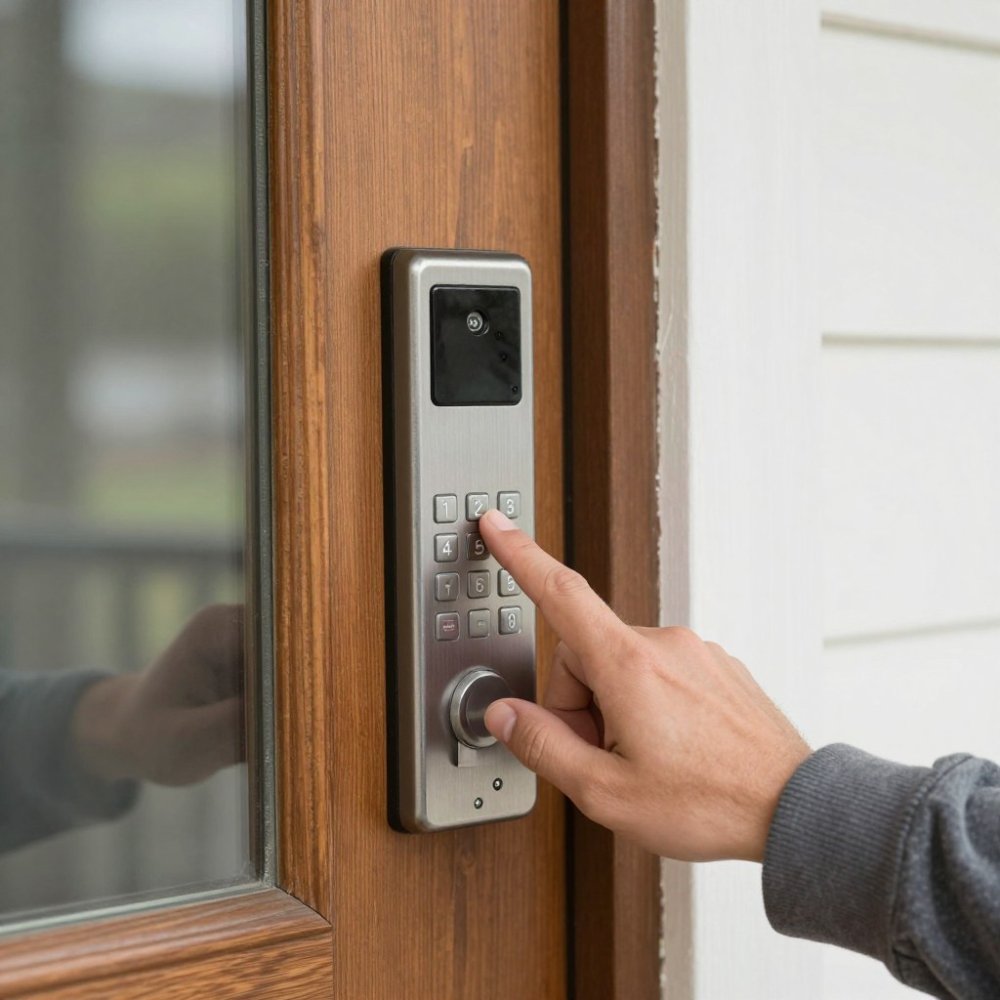
The trade-off: a smart lock is only as secure as its app account, battery, and backup key. Keep a physical key somewhere safe.
Schlage vs. Kwikset Deadbolt Security: What the Difference Actually Is
Schlage and Kwikset are the two names most people compare. The grade and the door installation matter more than the brand name when comparing deadbolts.
Best Door Locks to Prevent Break-Ins: Fit, Frame, and Installation
Most forced-entry failures at a front door are not lock failures, they are frame, strike, or installation failures. A Grade 1 deadbolt bolted into a soft pine jamb with a 3/4-inch strike screw will split the jamb before the bolt shears. Treat the lock, strike, jamb, and door slab as one system, and the deadbolt you buy becomes the last component rather than the only one. The residential security lock upgrade guide walks through these fit and installation considerations in more detail.
The Fit and Compatibility Checklist
Before you order any deadbolt, confirm these against your existing door:
- Door thickness: most residential deadbolts are designed for 1-3/8-inch to 1-3/4-inch doors. A thicker door needs a thick-door kit or a different model.
- Backset: measure from the edge of the door to the center of the bore hole. 2-3/8 inches and 2-3/4 inches are the two standard backsets; most deadbolts ship adjustable, but confirm before buying.
- Bore-hole diameter: the cross-bore is typically 2-1/8 inches and the edge-bore 1 inch. A retrofit into an existing hole must match, or you are drilling.
- Handing: deadbolts are generally non-handed, but the strike and the door swing still determine which side the bolt engages.
- Existing hardware: a deadbolt added above an existing knob or handleset needs enough stile width and vertical clearance; check that the new rose does not overlap the existing trim.
- Door material and core: a hollow-core or thin-panel door will not hold a deadbolt under kick load regardless of grade. Solid wood, solid-core, or a reinforced metal door is the baseline.
Reinforce the Strike and Jamb
The strike plate is where the bolt meets the frame, and it is the weakest link in most residential entries. Three upgrades matter more than the lock brand:
- Long screws. Replace the short strike screws with 3-inch screws that reach the wall framing behind the jamb. This is the single highest-value, lowest-cost reinforcement on a front door.
- Reinforced strike plate. A heavy-gauge steel strike, or a strike with a box or wrap that surrounds the jamb, resists the bolt tearing through the wood.
- Jamb reinforcement. A metal jamb wrap or a reinforced jamb plate spreads kick load across the frame rather than concentrating it at the strike.
Watch out: long screws only help if they actually hit framing. On a door set into a steel frame or a masonry opening, the reinforcement strategy is different, do not assume the 3-inch-screw fix applies.
What the Attack Types Actually Mean
Deadbolt listings often use terms such as "pick-resistant" and "drill-resistant" without explaining what is being tested. In plain terms:
- Picking defeats the cylinder by manipulating the pins or discs without a key. Restricted keyways and sidebar mechanisms raise the skill and time required.
- Bumping uses a specially cut key and a sharp blow to bounce pins above the shear line. Anti-bump pins and disc cylinders change the response.
- Drilling attacks the cylinder or the bolt directly. Hardened steel bolts, hardened cylinder inserts, and free-spinning cylinder guards raise the time cost.
- Kick-in attacks the frame and strike, not the cylinder. This is why strike and jamb reinforcement matter more than cylinder grade for most residential doors.
- Lock snapping and prying target exposed cylinder hardware. A cylinder guard or a lock with a hardened face resists this.
Standardized ANSI/BHMA testing covers cycle life, torque, impact, and strike load under controlled conditions. It does not simulate your specific door, your jamb, or your installation. That is why the same Grade 1 lock can perform very differently on two houses.
The System-Level Takeaway
A deadbolt is one component of an entry system that includes the door slab, the jamb, the strike, the hinges, and the screws. Upgrade the lock and skip the strike and jamb, and you have spent money on the part least likely to fail first. Upgrade the strike, jamb, and screws and keep a Grade 2 lock, and you have closed the gap most burglars actually exploit.
Book a Deadbolt Upgrade or Rekey With Anytime Unlock and George's Key Shop
If you want a professional to size, install, or rekey a deadbolt, Anytime Unlock and George's Key Shop, the oldest locksmith company in Lubbock, established in 1971, offers residential, automotive, and commercial locksmith services. Contact them for a free quote. anytime unlock locksmith services
Frequently Asked Questions
What is the most secure lock for a front door?
A high-security deadbolt with a reinforced strike plate and long screws usually offers the strongest protection for a front door. Grade 1 deadbolts meet the highest ANSI/BHMA residential standard, and models such as the ABLOY Protec2 are often recommended for high-security use. The lock only performs as well as the door and frame it is installed in, so reinforce the strike plate and use screws long enough to reach the framing studs.
Is Schlage or Kwikset more secure?
Neither brand is automatically more secure. Security depends on the specific model, its ANSI/BHMA grade, and how it is installed. Schlage and Kwikset both offer a range of models with different security ratings, so compare the specific models you are considering. Compare the grade and features of the exact models you are considering rather than the brand name alone.
Are smart deadbolts as secure as keyed deadbolts?
A smart deadbolt can be as secure as a keyed model when it is well built, uses strong encryption, and is installed correctly. Keyed deadbolts have no batteries or connectivity to manage, which reduces some failure points. Keypad and smart locks add convenience through user codes and remote control, so check the battery life, backup key options, and low-battery alerts before you buy.
Should I choose a single-cylinder or double-cylinder deadbolt?
A single-cylinder deadbolt has a key on the outside and a thumbturn on the inside, which lets you exit quickly during an emergency. A double-cylinder deadbolt needs a key on both sides, which adds security against break-ins through a nearby window but can be a fire-safety concern if the key is not readily available. Many residential front doors use single-cylinder models, especially where there is no glass within reach of the lock.